Our Work
At Colourful Minds, we believe in the power of collaboration to drive meaningful change.
By working with a variety of organisations, we extend our reach, amplify our impact, and work together towards a more inclusive, stigma-free approach to mental health.
Below are some of the key partnerships that help us make a difference.
Past Events
-
St John’s Primary School Workshop: Mental Health vs Mental Illness
The need
Many children have limited opportunities to learn about mental health at an early age. This workshop supported Year 6 students to understand the difference between mental health and mental illness, while encouraging open and stigma-free conversations about emotions.
Our approach
Our volunteers delivered an interactive workshop to Year 6 students at St John’s Primary School in Southwark. Through games, creative activities, and discussion, students explored mental health in an engaging and age-appropriate way.
The impact
The workshop was very popular, with students reporting that they learned a lot. It helped normalise conversations about mental health and supported children to better understand and communicate their thoughts and feelings.
All Saints Church of England Primary School (Beulah Hill) Workshop: Mental Health vs Mental Illness (2019)
The need
Building on the success of our earlier primary school workshop, this session aimed to further support Year 6 students to develop a clearer understanding of mental health and mental illness, while strengthening emotional resilience and reducing stigma from an early age.
Our approach
Colourful Minds delivered an improved interactive workshop to Year 6 pupils at All Saints Church of England Primary School in Beulah Hill. Using games, collaborative artwork, and open discussion, we created a safe and engaging space for children aged 10 and 11 to explore their emotions and learn healthy ways to communicate their feelings.
The impact
The workshop was met with great enthusiasm, with pupils reporting that they learned a lot while having fun. The session helped normalise conversations about mental health and highlighted the value of early education in building confidence and emotional resilience.
-
Notre Dame High School for Girls: Teachers’ Workshop – Understanding What Schools Need (2017)
The need
Schools play a vital role in supporting young people’s mental health, yet many teachers lack access to adequate training and resources. This workshop was designed to better understand the emotional and psychological support needs of secondary school students, and how teachers could be supported to meet them.
Our approach
Colourful Minds delivered its first public engagement event at Notre Dame High School for Girls in Southwark. Through a CPD-style workshop, we shared expert insight into the mental health needs of secondary school–aged students, introduced our organisation and services, and created space for open dialogue with teachers about the challenges they face.
The impact
The workshop highlighted significant gaps in existing support and a strong demand for pastoral training. These insights helped shape our understanding of what schools need and informed the development of Colourful Minds’ future programmes and services.
Southwark School Governors’ Meeting: Building Mental Health Resilience in Schools (2019)
The need
School governors play a key role in shaping school culture and priorities. This session was needed to support governors to better understand mental health, the importance of early intervention, and how a whole-school approach can strengthen resilience across school communities.
Our approach
Colourful Minds delivered a talk to Southwark school governors focused on mental health awareness and resilience-building in schools. We shared practical strategies for embedding mental wellbeing into everyday school life, including staff training, positive relationships, and curriculum-based approaches.
The impact
The session increased understanding of how schools can create supportive environments that help pupils manage stress and thrive both academically and emotionally. It reinforced the value of collaboration between schools, families, and mental health professionals to deliver sustainable support.
-
Great Light Connection Christian Church: Psychosis vs Spiritual Attack Talk
The need
Misunderstandings around psychosis can lead to stigma and barriers to accessing mental health support, particularly within faith and culturally diverse communities. This talk aimed to open up informed and respectful dialogue around mental health and spirituality.
Our approach
Colourful Minds delivered an interactive talk to the Great Light Connection Christian Church community in Canary Wharf. We explored the science behind psychotic illness alongside spiritual and cultural interpretations, creating space for open discussion, questions, and shared learning.
The impact
The session was very well received, with attendees reporting increased understanding and feeling more empowered. By challenging myths and encouraging dialogue, the talk helped address barriers to engagement with mainstream mental health services and supported more informed conversations within the community.
Great Light Connection Christian Church: Mental Health Workshop (2021)
The need
Following strong interest after our previous talk, there was a clear need for further mental health education within the church community. This workshop aimed to increase understanding of common mental health conditions and address stigma, particularly around accessing support.
Our approach
Colourful Minds delivered an interactive workshop as part of the church’s Well-being and Health Day in Canary Wharf. The session focused on depression, anxiety, and perinatal mental health, offering practical guidance on recognising symptoms, supporting others, and exploring cultural perspectives on mental health.
The impact
Attendees actively engaged in open discussion and reported feeling more informed and empowered. The workshop helped break down stigma, highlighted the importance of early intervention and community support, and encouraged conversations about mental wellbeing within families and the wider community.
-
Enfield Community Fair: Public Engagement Stall (2019)
The need
Community events provide an important opportunity to reach people outside of formal settings and encourage open, accessible conversations about mental health. This stall aimed to raise awareness, reduce stigma, and connect with the local community.
Our approach
Colourful Minds hosted an interactive public engagement stall at the Enfield Community Fair. We engaged visitors through creative activities, open conversations, and mental health resources, alongside a popular raffle supported by donated prizes.
The impact
The stall attracted strong engagement and helped spark positive conversations about mental wellbeing. Attendees reported feeling more informed and confident about supporting mental health within their families and wider networks, strengthening community connection and awareness.
Our Partnerships
-

Black Thrive & The Mental Health Foundation: Becoming a Man Program
In partnership with Black Thrive, a Lambeth-based charity, and the Mental Health Foundation, Colourful Minds played an integral role in the delivery of the Becoming a Man (BAM) Program. This innovative 3-year feasibility study aimed to provide a Cognitive Behavioural Therapy (CBT) informed mentoring program for young men in three schools across Lambeth. The program was designed to increase school engagement, reduce involvement in youth violence, and improve resilience in mental health.
The program, which has been successfully established in the United States, was being trialled for the first time in the UK. Colourful Minds contributed by adapting the program for a UK urban audience and delivering workshops to parents, teachers, and students to improve engagement with the project. The BAM Program has already seen significant success and is expanding to Islington, with plans to develop similar programs for young girls in the future.
-
Student Space: Mental Health Resources for Black Students
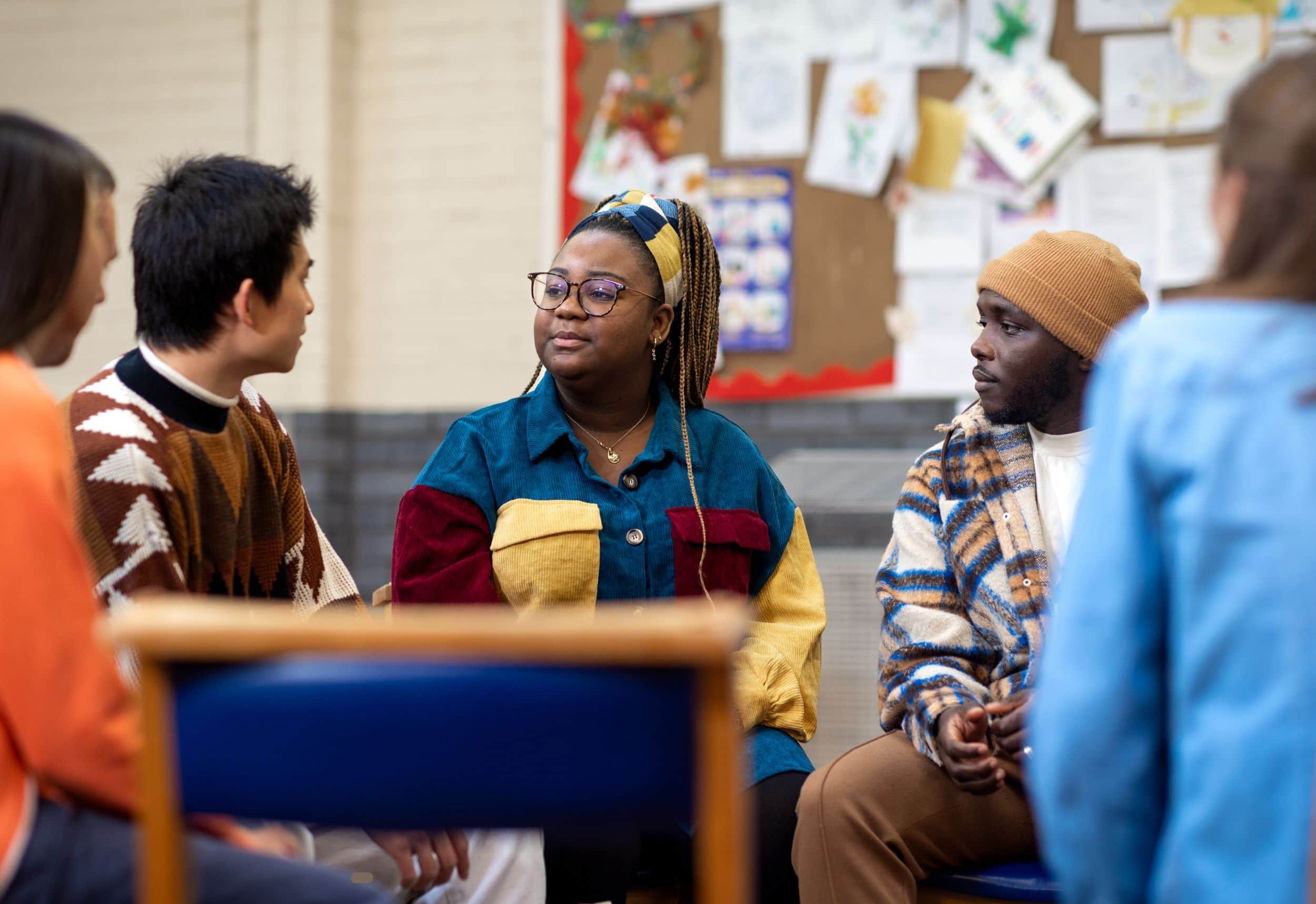
Colourful Minds has partnered with Student Space, a platform dedicated to supporting student well-being, to create a suite of online mental health resources specifically tailored to Black students across the UK. We facilitated focus groups with Black students to ensure the resources were relevant, collaborative, and meaningful.
The resulting content, including articles, podcasts, and advice, offers reflections on navigating university life as a Black student. The content was co-created by experts with lived experience and a steering group of eight Black students. This collaboration aims to provide Black students with the tools and guidance they need to thrive during their university experience, addressing the unique mental health challenges they may face.
You can explore the Life as a Black Student resources here:
Advice and Reflections: Read More
Podcasts and Videos: Listen Now
-

Prosperitys CIC: Maternal Mental Health
We have partnered with Prosperitys CIC, a maternal mental health organisation, to deliver a series of workshops aimed at upskilling local community members. These workshops focus on identifying signs of maternal mental illness and providing appropriate guidance and support. This collaboration helps raise awareness of maternal mental health issues and equips individuals with the knowledge to signpost affected families to the right services and support systems.
-

Department of Health and Social Care & South London and Maudsley NHS Foundation Trust: Use of Force Act Focus Groups
Colourful Minds was proud to collaborate with the Department of Health and Social Care and South London and Maudsley NHS Foundation Trust to organise and facilitate focus groups with individuals who had experienced the use of force on mental health wards. This work was part of the consultation period for the Mental Health Unit (Use of Force) Act 2018 (commonly known as Seni’s Law), which seeks to improve the treatment of patients in mental health settings. Colourful Minds became involved in the statutory guidance consultation for this Act after meeting with Mrs Ajibola Lewis, the mother of Seni Lewis. Seni Lewis was a 23 year old black male graduate who died after being subjected to restraint involving 11 police officers following his voluntary admission to a mental health unit. Since his death, Mrs Lewis and her family have campaigned tirelessly to reduce the use of force in mental health units and to avoid future deaths and serious injuries.
Through this partnership, Colourful Minds played a key role in canvassing feedback from both patients and staff involved in restraint situations. We identified a low response rate from the community on this issue and approached the Department of Health to fund the focus group work. We are particularly proud that the recommendations from these focus groups, as detailed in our resulting report (can be read here), were incorporated into the national legislation, ensuring that the voices of those affected were heard and acted upon.